


We’re back with your founder-friendly news for the week 👋
Today we’re going to learn how to make your products Lovable!
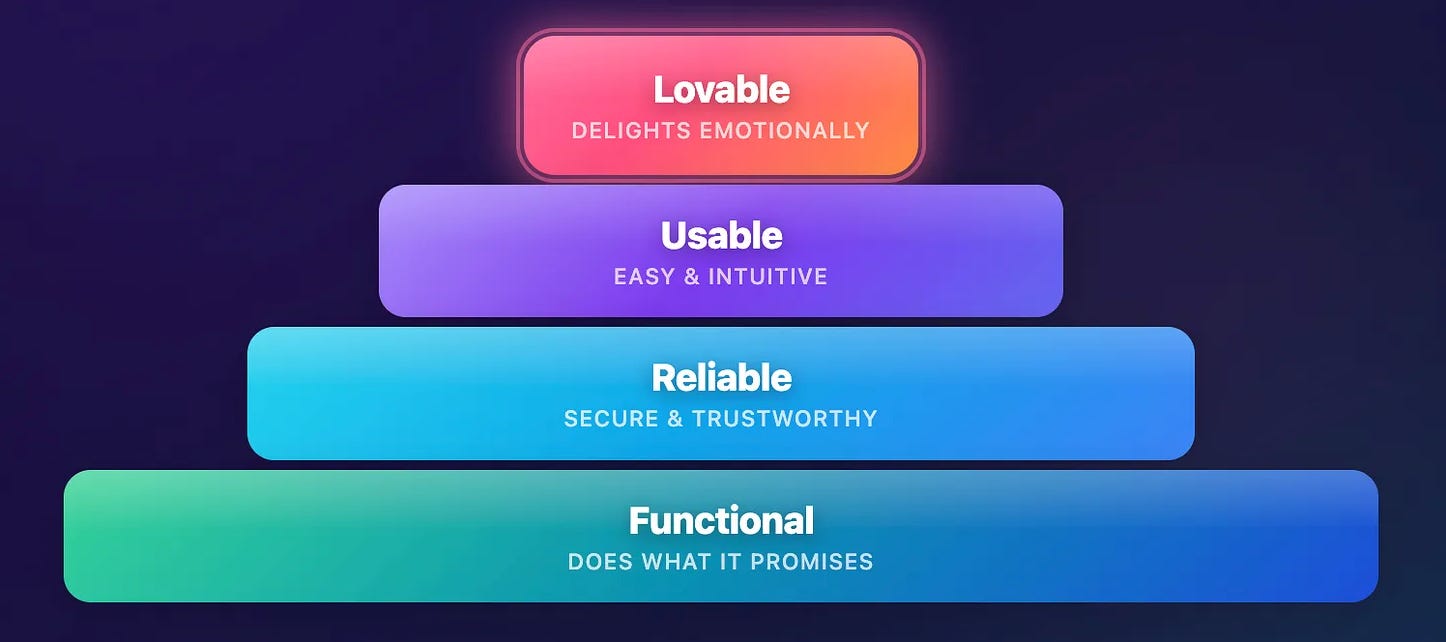
But before we get to that, this week’s reading list circles one big theme: when building gets cheap, “strategy” becomes your operating system. Dev costs are shrinking. Agents are getting more autonomous. Everyone can ship. So what actually matters now?
Across these pieces, you’ll see the same shift from different angles:
Building software is becoming extremely cheap
Agents are starting to do real work autonomously
Founders who operate “AI-native” will move much faster
The real moats are shifting toward brand, workflow, and distribution
Some people are calling this the SaaSpocalypse. Others think it’s the biggest expansion of the software industry we’ve ever seen. As founders, the real question isn’t which narrative is right, it’s how to position yourself for whichever future arrives first. We’ve covered this extensively here→
The Tweener Founder Bat Phone is Ringing Off the Hook: SaaS Blood is in the Water - What Should Triangle Founders Do?

Editorial note: We’re half-way through a 4 part series on founder optimization: (Personal Productivity, Health Optimization, GTMStack Optimization and DevStack Optimization) and are pausing this week to address what’s on everyone’s minds. We’ll pick it back up next week with the GTMStack post, thanks for your patience).
and in our awesome interview with Joe Mancini from Frontporch Ventures here→

But first! This series is made possible by our sponsors, so let’s give them a quick shout-out 👇
Featured Gold Sponsor

Featured Gold Sponsor

Featured Silver Sponsor

Does Software development now costs less than minimum wage? 😵💫
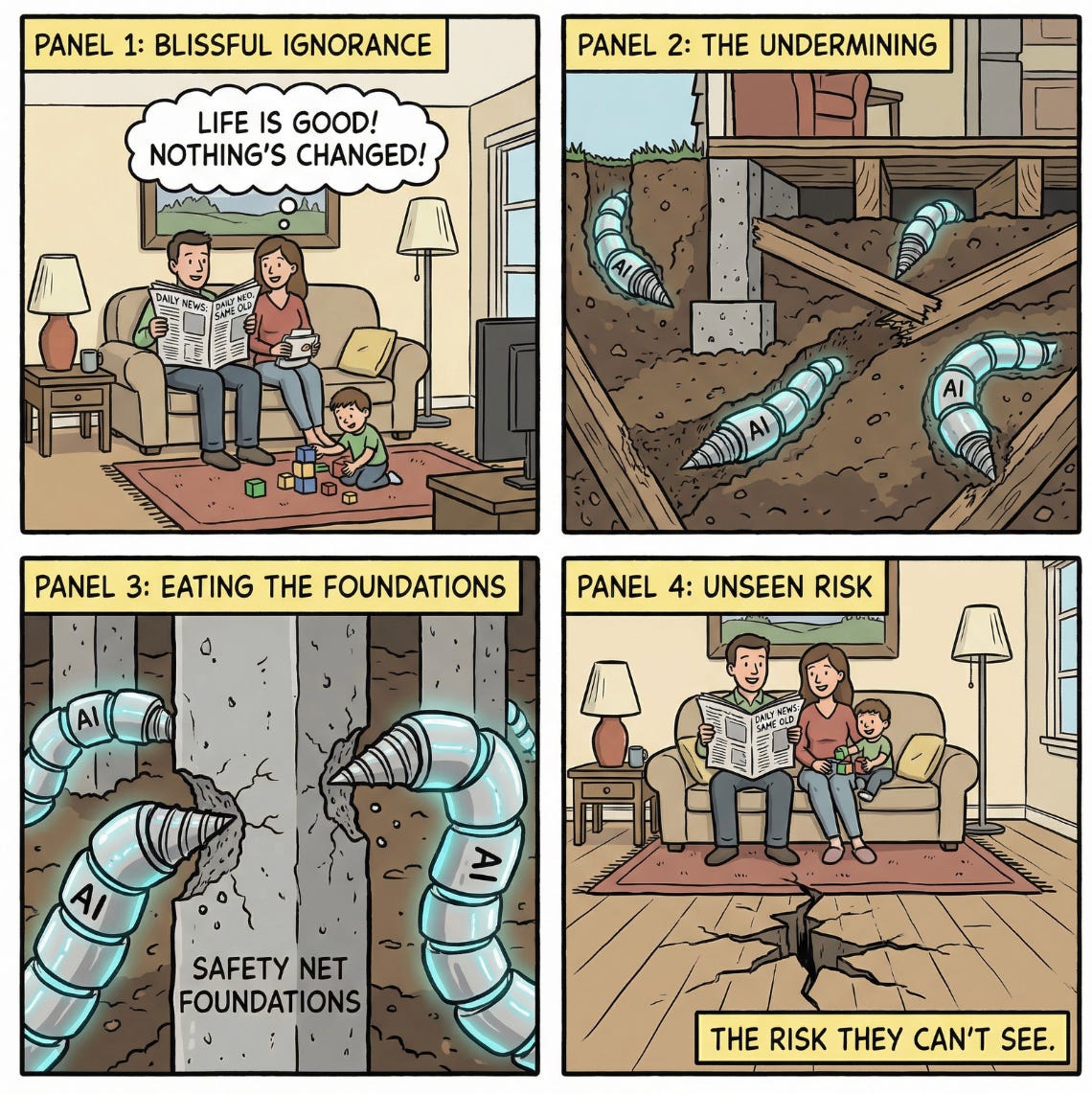
Geoffrey Huntley’s post is a cold shower (in a useful way): he argues dev labor is being commoditized fast, down to ~$10/hour in effective cost, and that this triggers a brutal compression across org charts, pricing models, and even personal identity.
A few things that hit hard:
“Everyone’s a builder now.” He describes showing up to a Cursor meetup where many attendees weren’t software devs… and yet they’re shipping real stuff.
Model-first companies as apex predators. Lean teams, razor-thin margins, and aggressive iteration cycles.
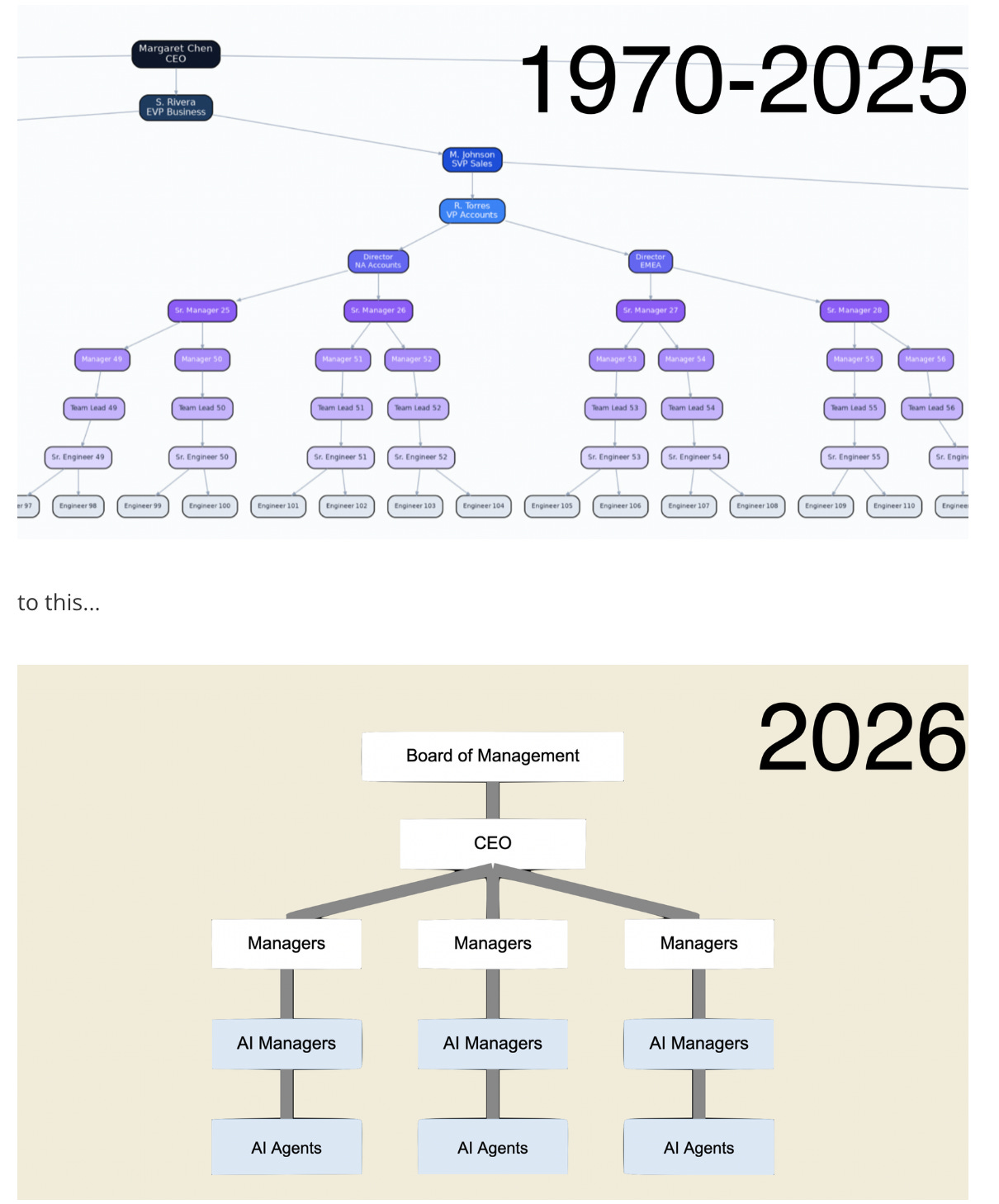
Traditional moats melting: per-seat pricing, feature-based differentiation, and “switching costs” don’t look as sturdy when agents can rebuild + migrate things frighteningly fast.
The punchline: if your “identity function” is tied to a job category (developer, manager, etc.), you may need to re-anchor to something more durable: taste, distribution, domain insight, relationships, judgment.
Read it here: https://ghuntley.com/real/
MVP is dead. Long live the MLP (Minimum Lovable Product) 💜
Elena Verna is calling it: the MVP era devolved into “minimum functioning product,” and that’s not enough anymore.
Her case is simple: building “functional” is becoming a commodity. Your users can find 12 alternatives or rebuild it themselves. So, the new baseline is MLP, the earliest version that’s genuinely lovable. “Lovability” is a defensible moat because AI can match features fast, but it can’t easily copy the emotional relationship people have with a product (yet).

Becoming an AI-native operator (your new unfair advantage) 🧠⚙️
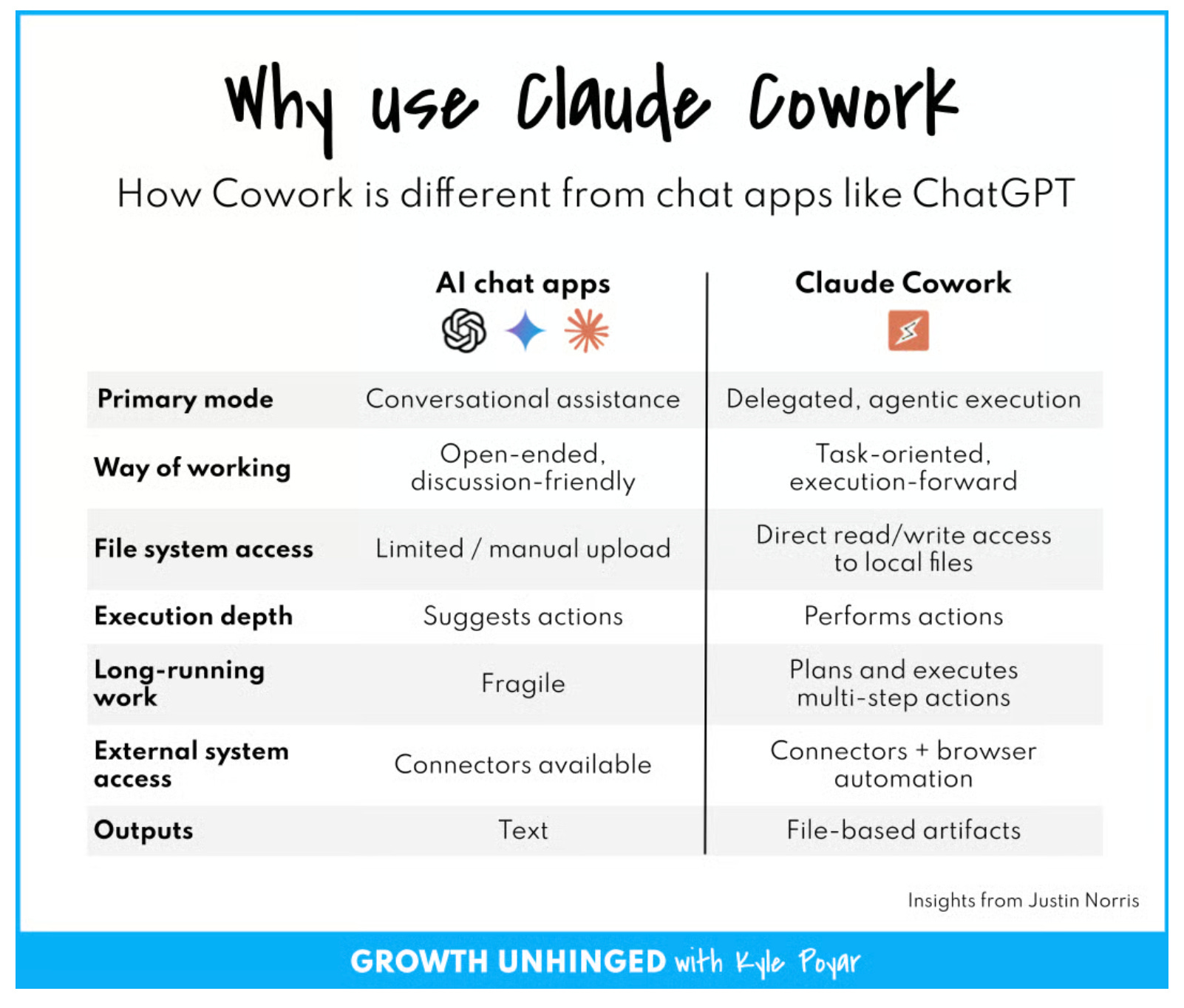
This Growth Unhinged piece (Kyle Poyar featuring Justin Norris) is basically a playbook for what the workday looks like when you stop using AI as a side tool and start using it like a Chief of Staff + execution layer.
What I loved about this one: it’s not “use prompts.” It’s systems thinking about knowledge work.
Read it here: https://www.growthunhinged.com/p/becoming-an-ai-native-operator
Cursor CEO: The third era of AI software development is here (cloud agent factories) 🏭🤖
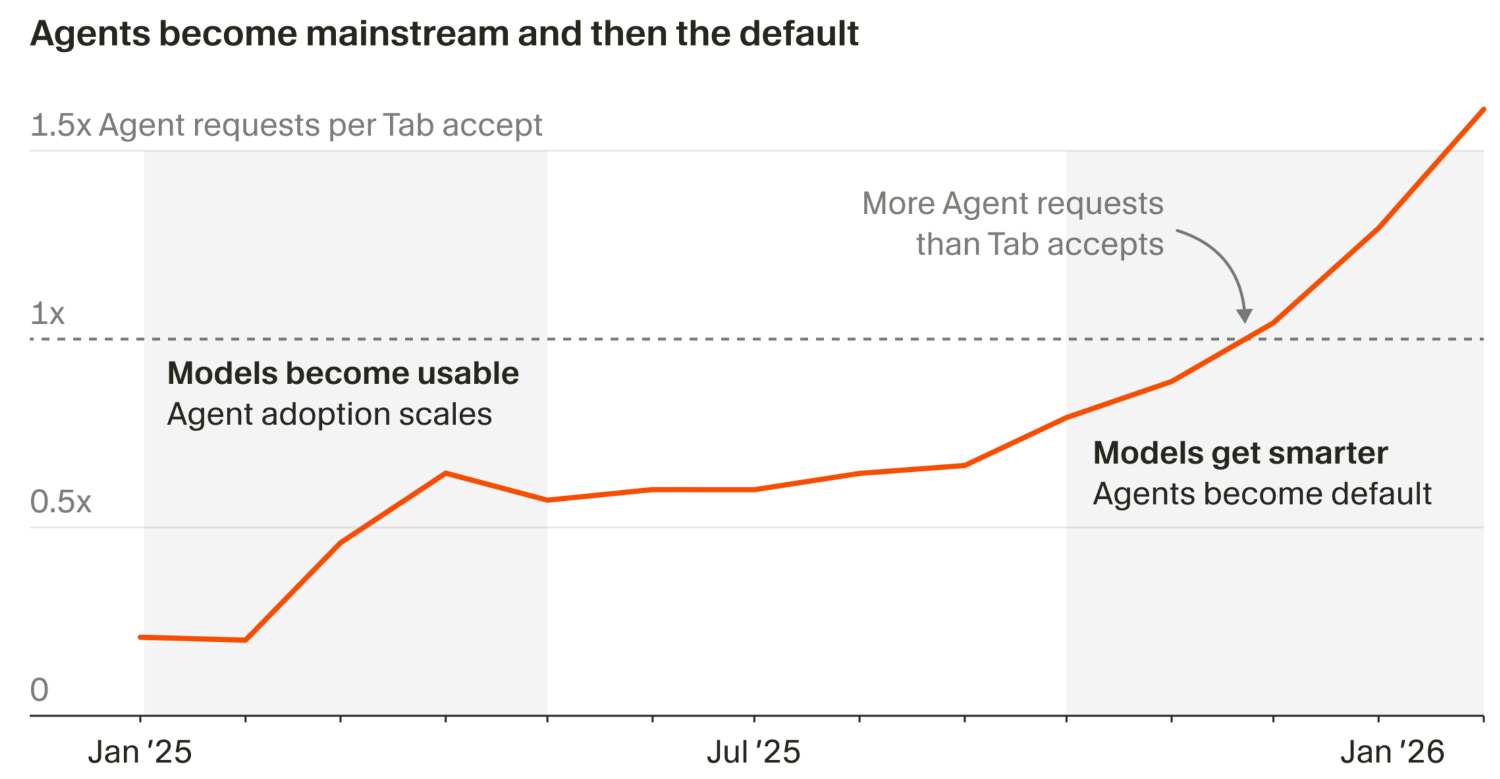
Michael Truell’s thread is short, punchy, and worth reading twice. He describes three eras:
Tab/autocomplete (one keystroke at a time)
Synchronous agents (prompt-response loops)
Autonomous cloud agents (longer tasks, less direction, artifacts/previews for review)
The part that matters: Cursor isn’t trying to help you “write code” anymore, it’s trying to help you build a factory that produces software using fleets of agents as teammates.
A wild data point: he says ~35% of Cursor’s internal PRs are created by agents operating autonomously in cloud VMs.
Read it here: https://x.com/mntruell/status/2026736314272591924
Is the SaaSpocalypse real? a16z says… not really.
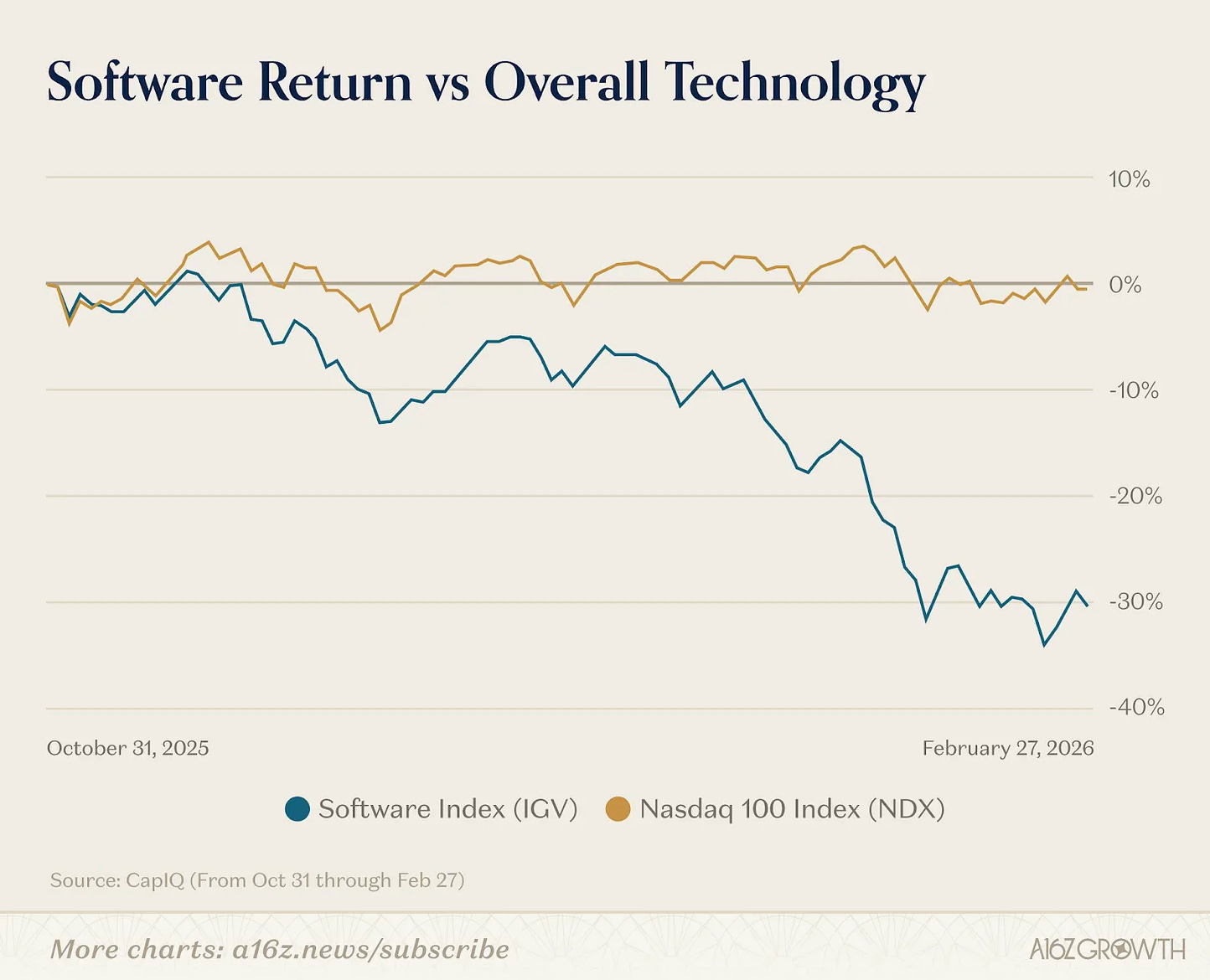
While some Substacks are predicting the death of SaaS, this a16z piece takes the opposite position: AI won’t destroy software. It will massively expand it.
Their key argument is that the market is treating software companies as if their value comes from code. But historically, code was never the moat.
The real competitive advantages come from what Hamilton Helmer calls Seven Powers, including:
Network effects
Brand
Scale
Proprietary data
Process power
Counterpositioning
AI might weaken switching costs, but most of these other moats actually get stronger. Their prediction is that the industry isn’t collapsing; it’s splitting.

Final thoughts
Across all these pieces, there’s a clear pattern emerging. We’re entering a world where building software becomes cheap. When that happens, the scarce resources shift.
The human parts of building companies, distribution, taste, brand, knowledge, and judgment become valuable instead. Some software companies will absolutely get disrupted. But the software industry itself is probably about to get much bigger.
For founders in North Carolina, the opportunity is the same as it’s always been: Move early, operate lean., build something people actually love, and let the agents handle the rest!