


Before we jump into this week’s golden nuggets, let’s take this opportunity to thank our amazing sponsors!
👇Featured Gold Sponsor

Featured Gold Sponsor

Featured Silver Sponsor

🦞🦞OpenClaw Meetup! 🦞🦞
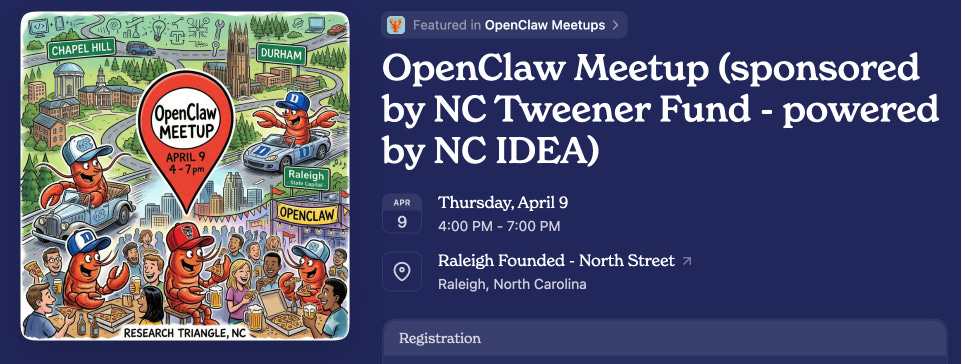
We are excited to host the Triangle's first ever OpenClaw Meetup on April 9 at Raleigh Founded (North St. Location) from 4-7pm.
Pizza, beer and sodas provided, BYOC -Bring-Your-Own-Claws
We’ll have some 1hr of content where a variety of people/companies share what they are doing with OpenClaw followed by a unstructured social time.
Register here→
https://luma.com/o3cmcku6
Founders Should Avoid “Revenue Addiction”
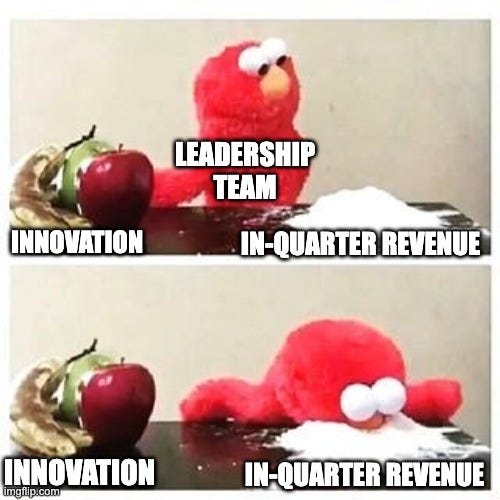
Elena Verna (head of growth at Lovable) dropped one of the more best and most blunt articles we’ve read in a while. Her argument: revenue obsession quietly kills innovation.
Her alternative framing is simple: revenue should be an output of the system, not the objective of the system. The system is innovation, if you keep innovating, revenue will come.

When Should You Vibe Code Your CRM?
Dharmesh Shah from HubSpot posted a smart video explaining why you probably shouldn’t vibe code your own CRM.
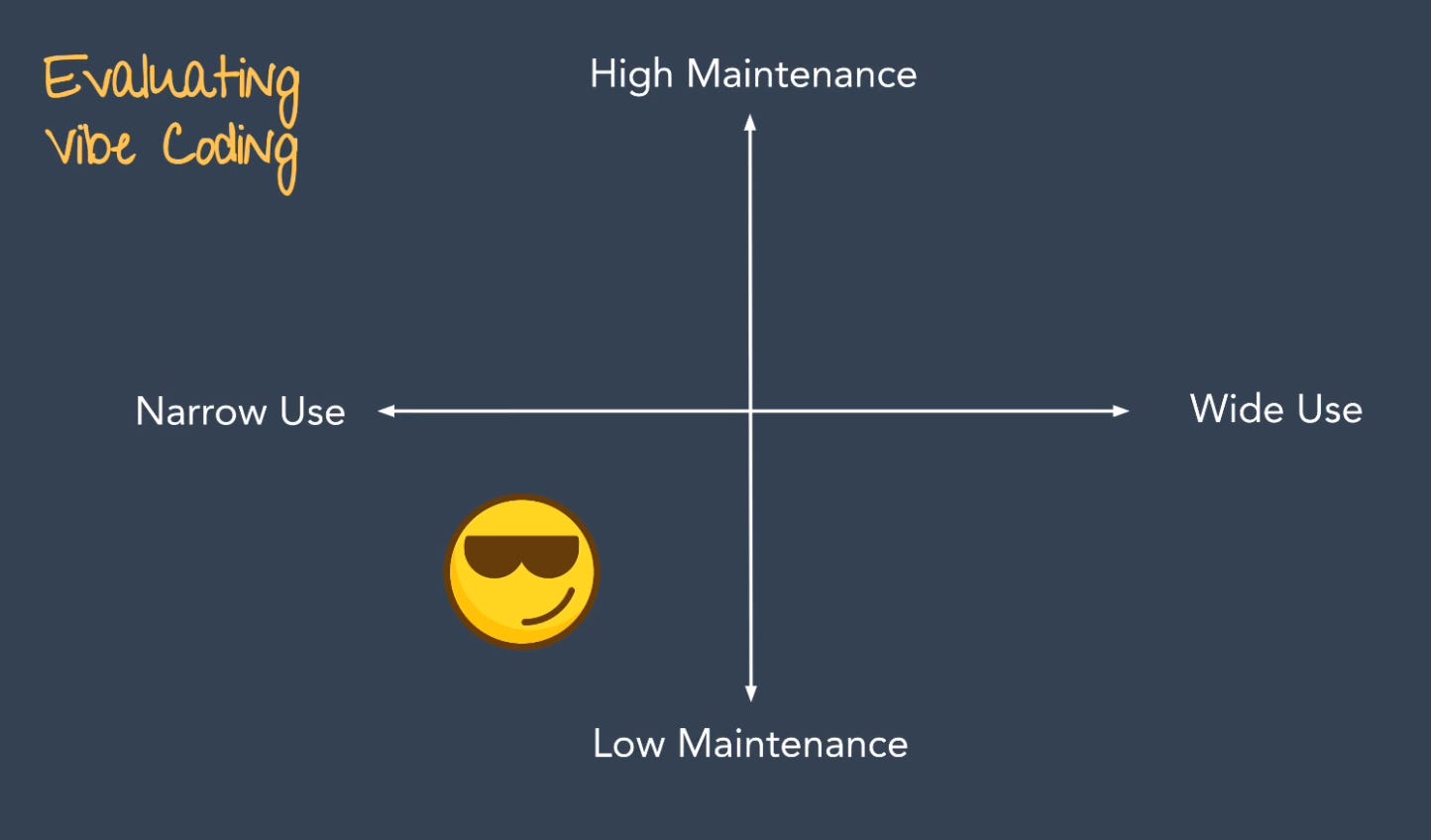
His framework maps the problem on two axes:
Narrow vs. wide use case
Low vs. high maintenance
A general-purpose CRM sits in the worst quadrant: wide use case, high maintenance. In other words, don’t try to vibe code Salesforce.

But interestingly, his own framework also explains when building your own CRM actually makes sense.
That’s where we landed at Tweener Fund. Our CRM is narrow, internal, and directly tied to our core workflow, deal flow and portfolio tracking.
Robbie actually touches on this exact idea in his recent DevStack article too, which made this one feel especially timely.

Why it matters: The real question isn’t “should you build internal tools?” It’s “is this tool close enough to your core advantage that it’s worth owning?”
Check out the video here. (under 10mins)
Service as Software - Wait…what?
Local startup ecosystem OG and serial founder Jes Lipson frequently uses this framing: Service as Software - he’s been ahead of this trend since 2022!
Blue chip VC Sequoia is out with this piece If you’re a founder looking for an idea, or a software founder, this is a good way to think about how you can add a service that has software-like margins because the team providing it will be hyper-efficient thanks to
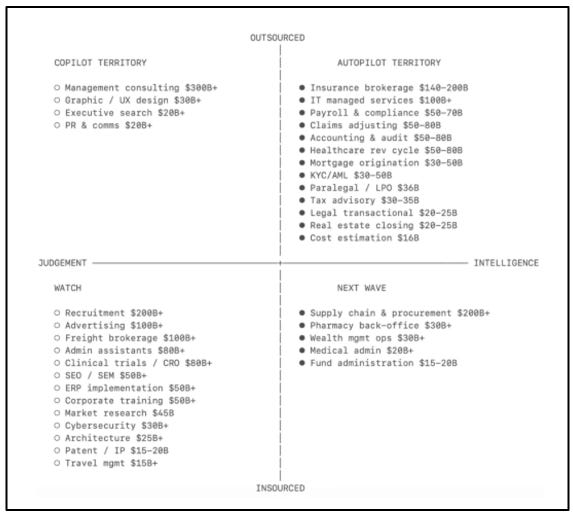
The article also makes one of the clearest arguments we’ve seen about how AI companies will actually monetize.
The key distinction: Copilots sell tools. Autopilots sell outcomes.
The big insight is that the total market for work is far larger than the market for software. If AI can deliver the outcome directly (accounting, insurance brokerage, legal drafting, procurement) companies may buy the result instead of the tool.
It’s a simple idea with massive implications. The next wave of AI companies may look more like services firms powered by software.
Can AI map the Venture Ecosystem?
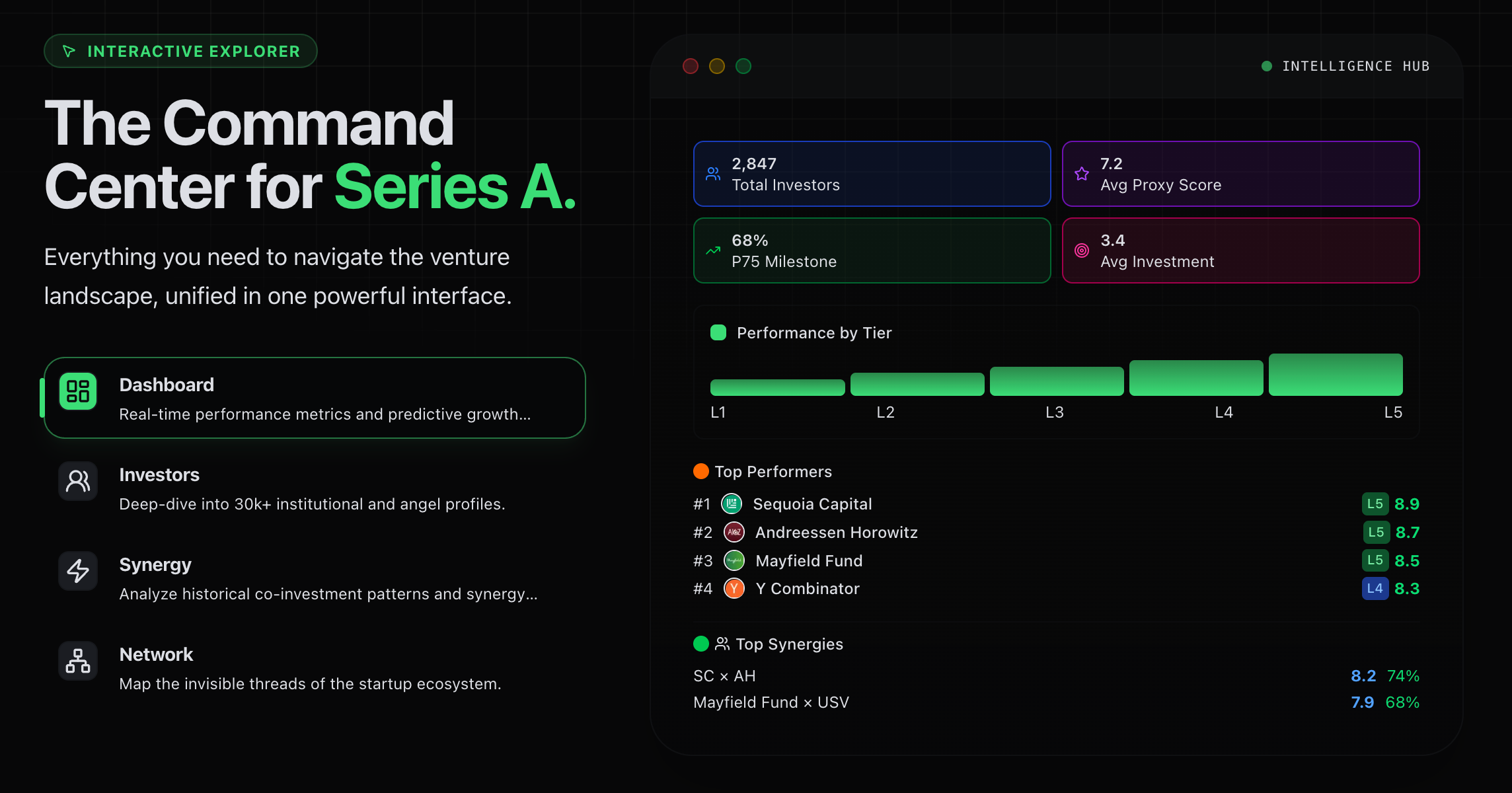
MarketMap is building an interesting idea: AI-driven intelligence for venture capital.
The platform aggregates signals from funding rounds, GitHub activity, investor networks, and ecosystem relationships to identify promising startups before they become obvious.
Think of it as a command center for venture sourcing, mapping investors, co-investment patterns, and startup momentum across the ecosystem.
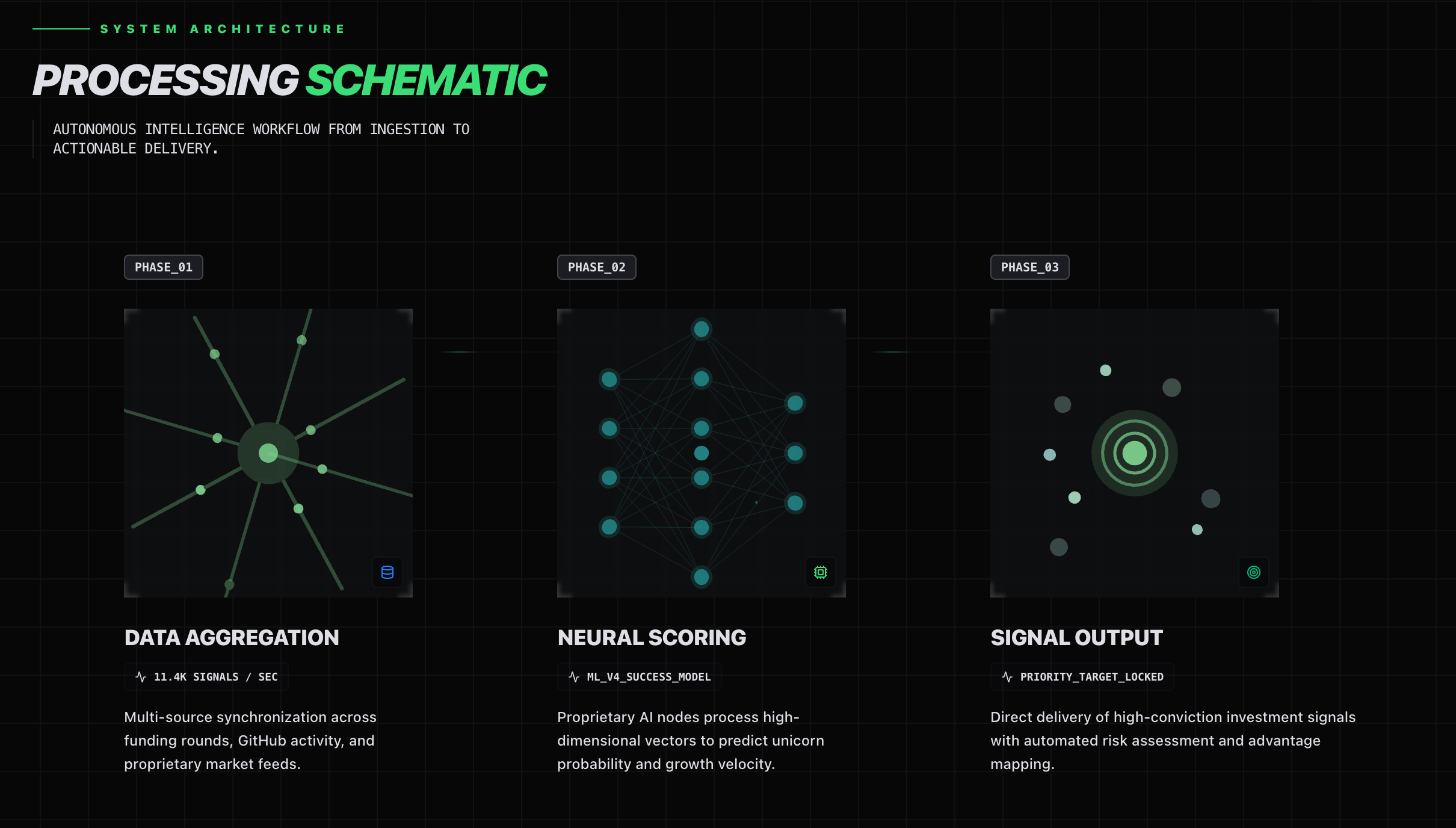
Whether the predictions are perfect or not, the broader idea is compelling: venture has historically relied heavily on networks and intuition. AI could make those invisible networks far more legible.
Check it out here: https://marketdj.vela.partners/
The BI AI opportunity
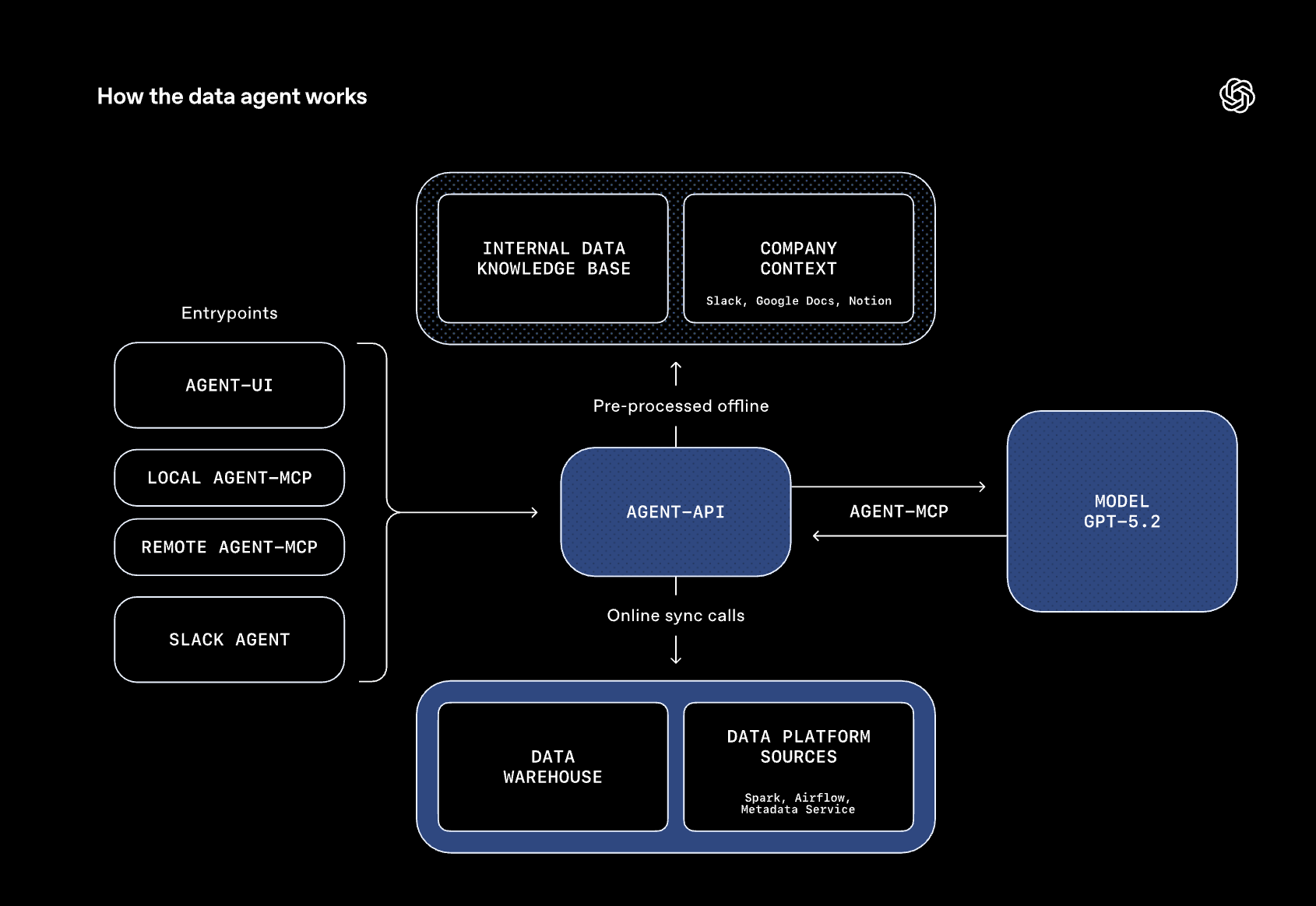
This OpenAI engineering post describes the internal data agent they built to help employees analyze company data. But the real takeaway is much bigger.
There may be a massive opportunity for what you could call BI AI (AI-powered Business Intelligence): giving AI access to all the data, context, and institutional knowledge needed to answer complex business questions.
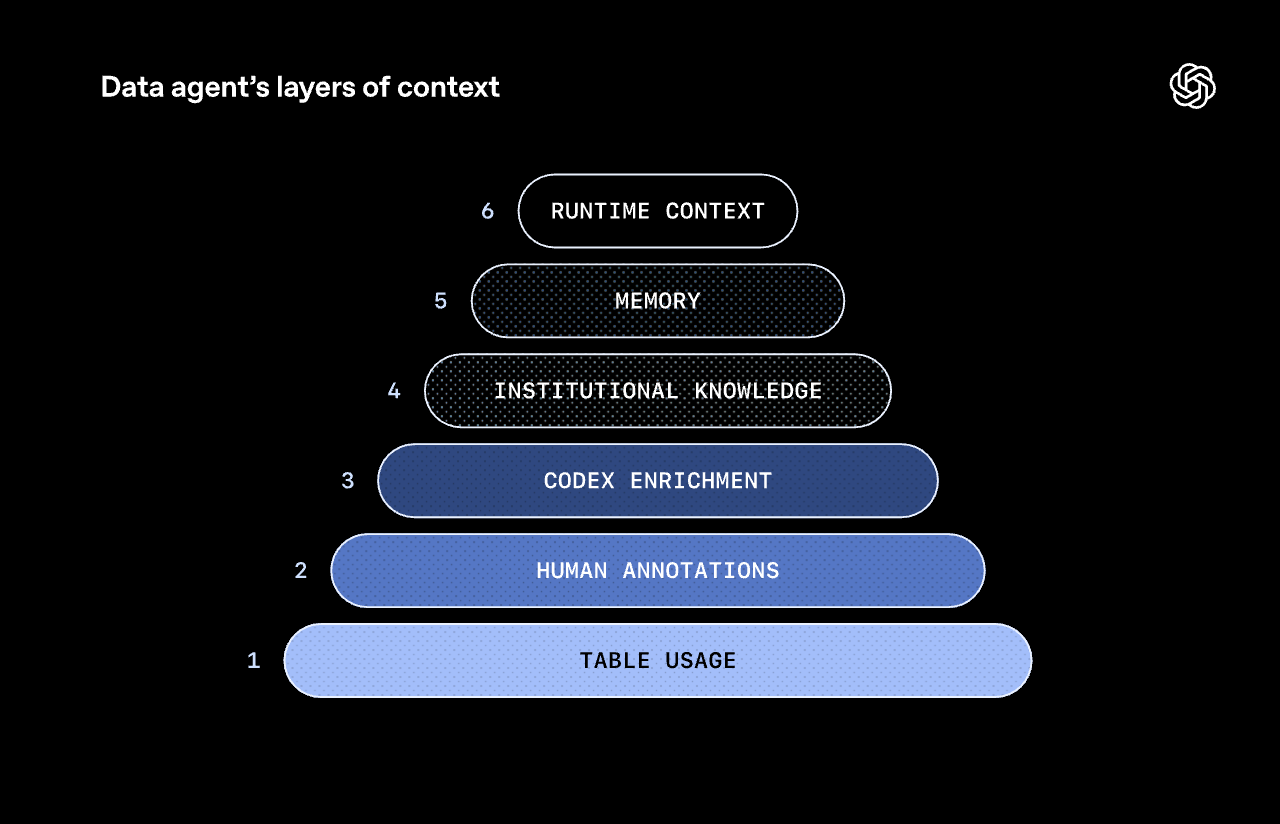
Instead of waiting days for analysis, teams can ask natural language questions and get answers in minutes.
The catch: it only works when the AI understands the context behind the data, not just the tables.
Read it here: https://openai.com/index/inside-our-in-house-data-agent/
Is Data the Real AI Bottleneck?

This a16z piece argues that the real constraint on future AI progress may not be models or compute, but data.
The reasoning is simple: every major leap in AI has followed a breakthrough dataset. CNNs needed handwritten digit datasets. Image recognition needed ImageNet. LLMs needed the internet.
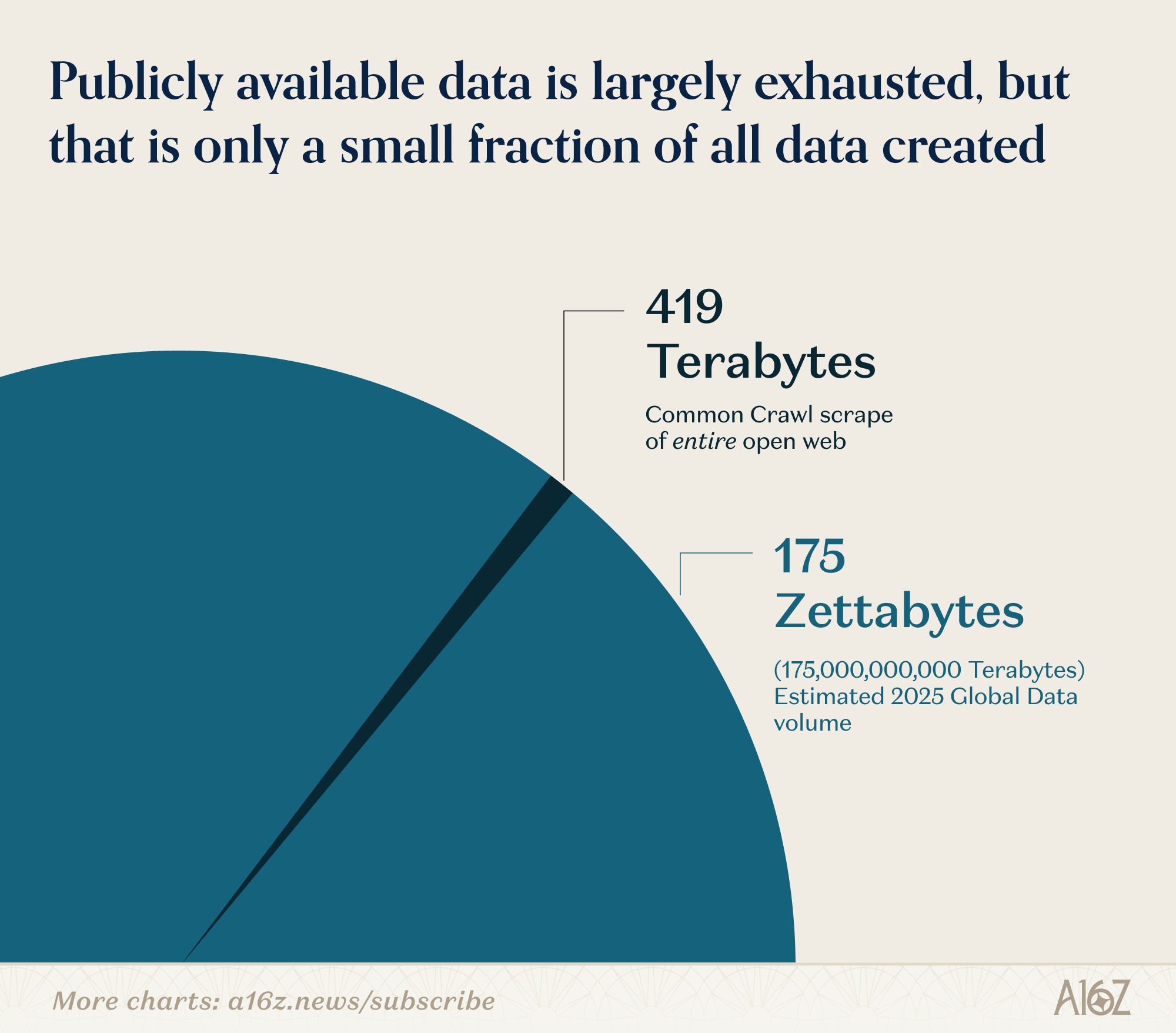
The next wave of AI (agents, healthcare systems, multimodal models) requires high-quality real-world data that is messy, fragmented, and rarely AI-ready.
In other words, the frontier of AI is “jagged” because the data is. Whoever controls the best datasets may control the next AI breakthroughs.

Final thoughts
We’re seeing the same thing showing up: old bottlenecks are weakening.
Software is easier to build, prototypes ship faster, models continue to improve, and even internal tools are becoming easier to create. As that happens, the scarce things move toward judgment, distribution, customer understanding, workflow ownership, proprietary context, and data.
The real challenge becomes knowing what is actually core to your business. Sometimes that means not vibe coding your CRM. Other times it means building exactly the tool you need. Sometimes it means selling software; other times it means selling the completed job.
For founders in North Carolina, the playbook is familiar: stay close to the work, stay close to the customer, and move early when the stack changes. What’s different now is just how many parts of the stack are suddenly up for grabs.