

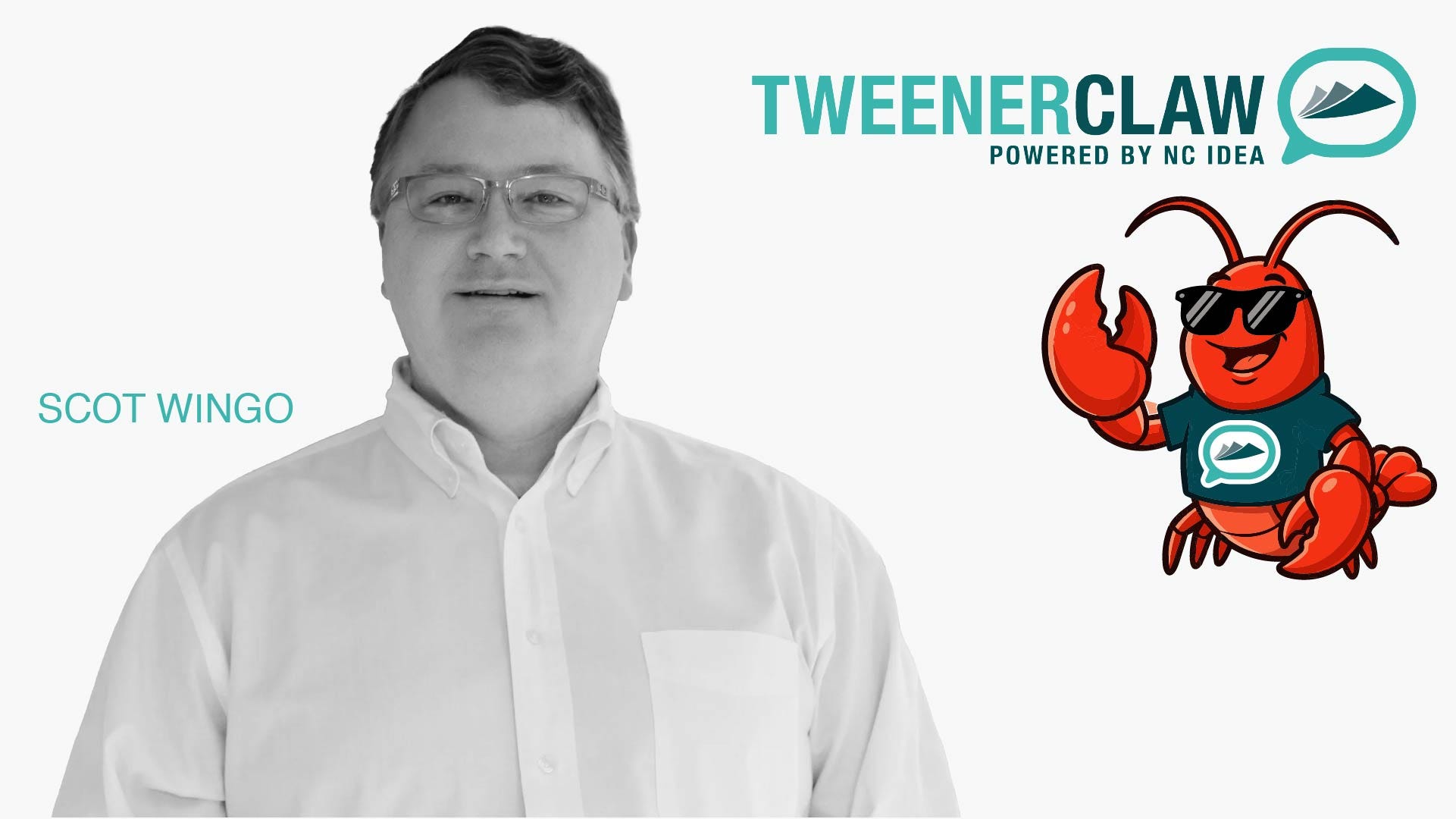
This week's episode is a live recording from the NC Tweener Fund's second TweenerClaw meetup, held June 10th at Research Triangle Park. Instead of an interview, you're getting the full room, my state-of-the-ecosystem talk, community Q&A, and the kind of candid takes that don't usually make it onto polished conference stages. If you missed the April kickoff, OpenClaw is an AI agent harness acquired by OpenAI and open-sourced, now the fastest-growing project in GitHub history. A lot has changed since April. This episode updates everything.
We couldn’t bring you 100% original founder-to-founder content like this without the support of our awesome-sauce sponsors:
Loving our content? It wouldn’t be possible without our amazing sponsors and our paid subscribers, so THANK YOU!
Featured Platinum Sponsor

Featured Gold Sponsor

Featured Silver Sponsor

And special thanks to our friends at Walk West for partnering with us to produce this pod!
Summary
Between the April and June meetings, OpenClaw crossed 300,000 GitHub stars and 3.2 million active users, and nearly imploded. The marketplace was flooded with over 1,400 malicious skills, updates broke core functionality for weeks, and the community got nervous about OpenAI's long-term intentions. I walk through how the project is stabilizing (monthly releases, LTS commitments, a leaner core), then map the new landscape: NVIDIA's NemoClaw, Microsoft's Scout, Google's Gemini Spark, Alibaba's Qwen fork, the MIT-licensed upstart Hermes, and Facebook's rumored $200/month Hatch. Iclose with a frank read from Triangle founders on what they're actually shipping with, and Copilot doesn't come out looking great.
Stick around for the highlights below. 👇
Highlights
OpenClaw’s breakout moment: Reached 300K GitHub stars and 3.2M users, becoming the fastest-growing GitHub project ever. OpenAI is funding a dedicated foundation team to support long-term development.
April’s instability: A series of updates disrupted channels and integrations. More than 1,400 malicious skills were discovered in the marketplace before it was shut down and moved to a vetted model.
Microsoft goes all-in: At Build, Satya Nadella mentioned OpenClaw 28 times and introduced Scout, a Microsoft 365/Copilot product based on an OpenClaw fork. By contrast, OpenClaw received no mention at WWDC.
NVIDIA’s endorsement: At GTC, Jensen Huang called OpenClaw “the next ChatGPT” and unveiled NemoClaw. His description of agent harnesses as a “personal operating system for AI” has become a widely adopted framing.
The emerging fork ecosystem
Chinese players such as Moonshot AI’s Kimi and Alibaba Group’s Qwen are targeting cost-conscious users.
Google’s answer is Gemini Spark.
Hermes, an MIT-licensed, Rust-oriented, skill-compounding architecture, is attracting strong interest, particularly in the Triangle startup community.
A growing user divide
Enterprise workers are often stuck with limited Copilot experiences.
Startup founders and power users are increasingly relying on agent harnesses that feel like they actively accelerate their work.
The gap between those two experiences is widening.
What Triangle founders are using
Hermes generated significant excitement at the meetup.
Many attendees reported moving away from OpenClaw for daily work.
Alternatives most frequently mentioned were Codex and Claude Code / Cowork.
The best part of this community is that the people in that room in RTP are learning in real time, sharing what's working, and not waiting for the rest of the world to catch up. Enjoy the conversation.
Visit Tweener Talks to listen for all audio podcast players
We have a video version on YouTube (make sure to subscribe!)
📌 What’s Next
Subscribe to NC Tweener Talks for more conversations with North Carolina founders, operators, and builders shaping the future of the ecosystem. Paid subscribers help us keep creating more episodes, events, and founder-focused content across the state.