

This episode kicks off a new North Carolina Tweener Talks series spotlighting the state's under-the-radar physical manufacturing companies, the ones that need serious engineering talent, a coastline or mountains (or farmland!) nearby, and room to build.
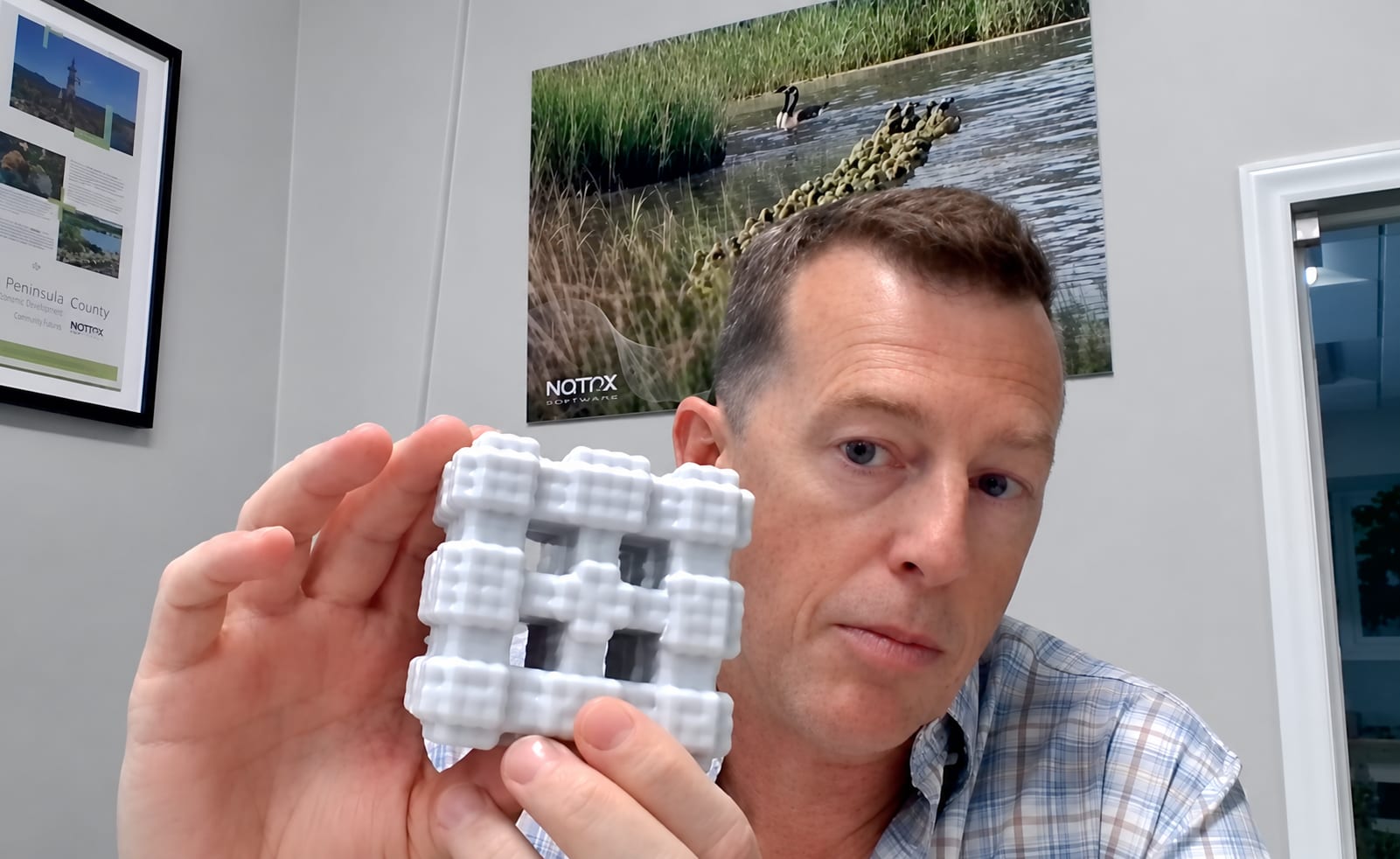
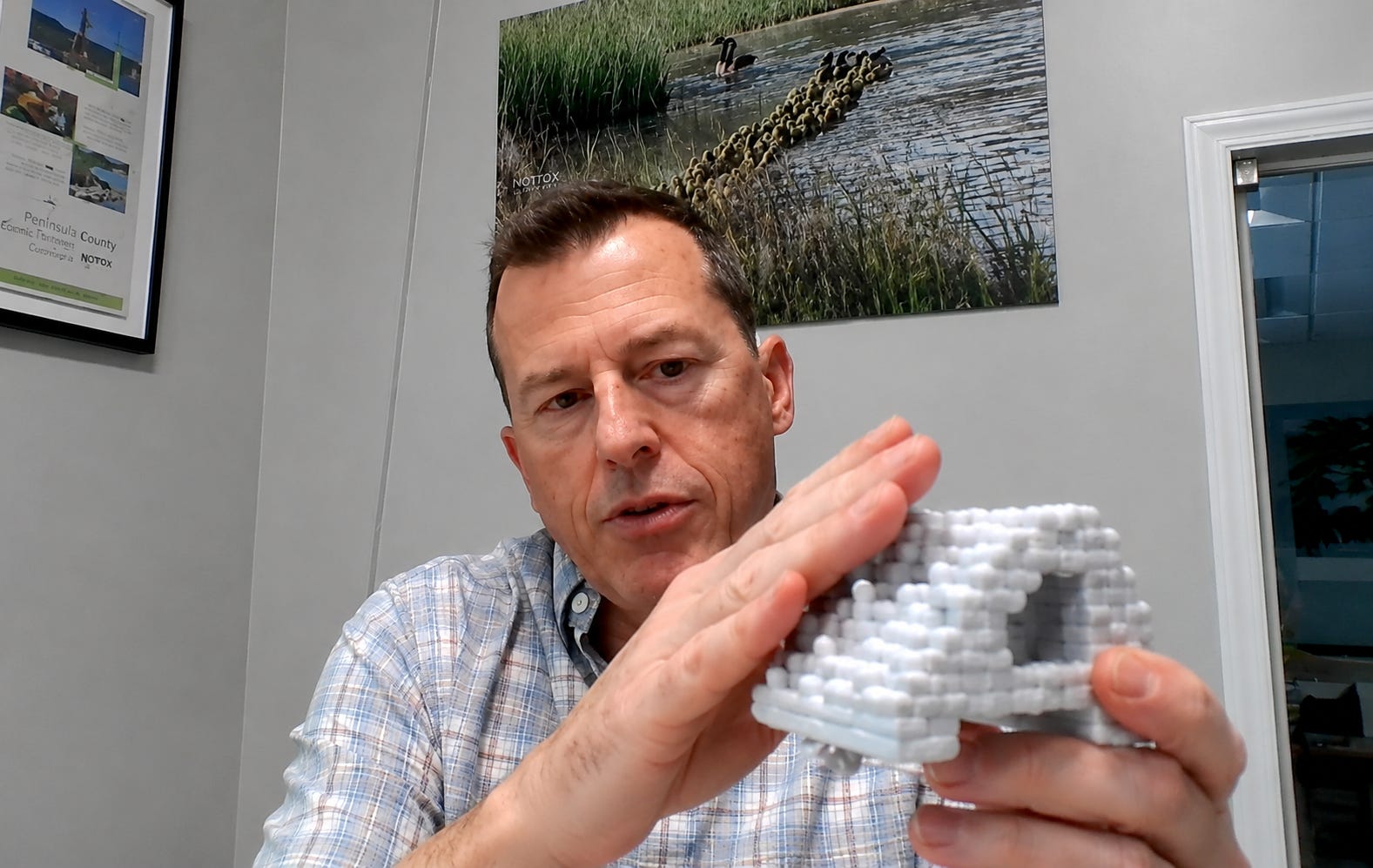
First up is Natrx, a Tweener Fund portfolio company that manufactures concrete structures designed to work with natural water systems rather than simply and disruptively block them. It's a deep company-and-technology episode, with Tad walking through props on screen, because the product has more of a physicality to it than we see in the software world.
We couldn’t bring you 100% original founder-to-founder content like this without the support of our awesome-sauce sponsors:
Loving our content? It wouldn’t be possible without our amazing sponsors and our paid subscribers, so THANK YOU!
Featured Platinum Sponsor

Featured Gold Sponsor

Featured Silver Sponsor

And special thanks to our friends at Walk West for partnering with us to produce this pod!
Who is Tad?
Tad Schwendler is the COO of Natrx, a North Carolina-based coastal engineering and manufacturing company and a Tweener Fund portfolio company. Tad grew up in the Atlanta area and first came to the Triangle for business school at Duke, then moved back to the region permanently in 2007. Most of his career before Natrx was in corporate development; strategic finance, M&A, and business development on the buy side for large corporate organizations, most recently leading corporate development at MaxPoint prior to its acquisition. He got involved with Natrx as a consultant during the company's earliest days, helping build out its business model, financial projections, and early partnerships, before joining full-time as part of the leadership team. At Natrx, he leads finance and is deeply involved in strategy, capital raising, and the operations of the company's manufacturing facility in Louisiana. He studied economics at Tulane, but has a long-standing personal interest in marine science and ecology that made the Natrx mission, and its Louisiana roots, a natural fit.
Highlights
The founding story runs through two engineering cultures: Natrx traces back to two coastal engineers who met doing oyster reef restoration in LSU’s bioagricultural engineering program, growing frustrated with traditional techniques built to “stop nature” and “keep it out.” One of them followed his professor to NC State for a PhD, where he met co-founders with software and digital backgrounds. That pairing became Natrx, founded in late 2018.
“Dry forming” flips concrete manufacturing on its head: Instead of mixing a wet slurry, Natrx starts with dry material and uses medical-dosing-style pumps to inject moisture at precise points, guided entirely by digital instructions sent from the cloud.
The voxel: Each injection point creates a roughly 1.5–2 inch reaction node called a voxel. As voxels fuse together, they form the finished unit, enabling far more complexity and void space than any mold, form, or extrusion printer could produce.
Every unit is a little different: The injection process introduces natural variation into each piece. As Tad explained, “every unit has minor variations... that’s a natural outcome of the production process.” Balancing that variability with customers’ preference for standardized, repeatable products is an ongoing business challenge.
Roughness is the whole point: The textured, organic-looking surface is functional rather than cosmetic. It slows water energy through friction, creates habitat for organisms at the base of the food chain, and offers a more natural aesthetic than piles of rock or standard precast concrete.
Real scale, real weight: Standard units are roughly 3-foot cubes, weighing just under 2,000 lbs before hydration and up to around 4,000 lbs after. The coral restoration units built for the Waikiki Beach project weigh approximately 12,000 lbs each.
The numbers: Natrx has completed 85+ physical deployments spanning Maryland to Texas, placed more than 100,000 physical units, employs approximately 30 people, including an 18-person core team and an 8 to 10 person manufacturing crew, has grown at roughly 80% revenue CAGR, and projects mid-to-upper single-digit millions in revenue this year.
Manufacturing is deliberately centralized for now: Natrx originally envisioned a network of small manufacturing nodes along the coast but chose to mature its single Louisiana facility before expanding. Units are shipped via flatbed truck or, in Louisiana, directly from the dock by barge to destinations such as Texas and Florida.
Built to disappear: Without rebar, the usual culprit when marine concrete breaks down, units are designed to blend into their environment over time as sediment accumulates and marine life grows. On the Hawaii coral restoration project, live coral is planted directly into built-in features so installations can eventually become visually indistinguishable from natural reef.
What’s next: Natrx is preparing to raise a Series A to accelerate growth, recently hired its first senior sales leader, and sees its addressable market expanding beyond coastal restoration to any land-water interface, including data center infrastructure.
As Tad put it, Natrx is trying to stay focused on the core rather than chase every new application that comes calling, and that discipline is part of what's made this one of the more capital-efficient manufacturing startups in the portfolio. Enjoy the conversation.
Where to Watch/Listen:
Visit Tweener Talks to listen for all audio podcast players
We have a video version on YouTube (make sure to subscribe!)
📌 What’s Next
Subscribe to NC Tweener Talks for more conversations with North Carolina founders, operators, and builders shaping the future of the ecosystem. Paid subscribers help us keep creating more episodes, events, and founder-focused content across the state.