

Refresher: David’s Backstory
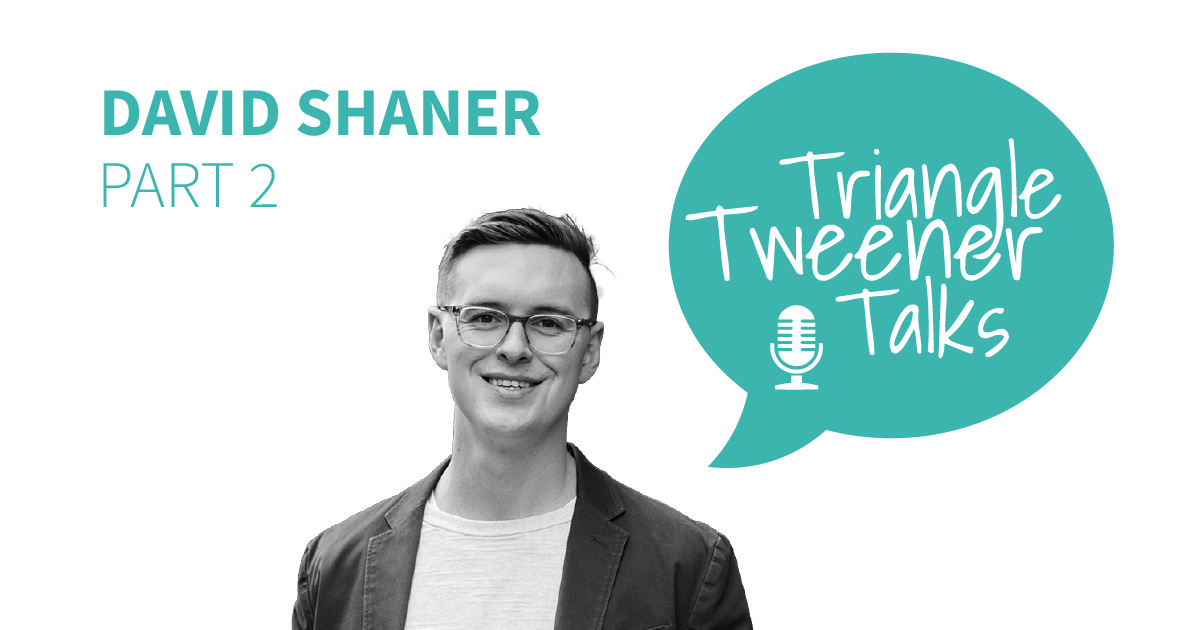
David Shaner is the Founder and CEO of Offline, his senior project at NC State in 2012 that, thirteen years later, is a profitable, multi-city subscription business serving thousands of diners and hundreds of restaurants.
Get caught up with → Part 1
We couldn’t share posts like this without our amazing sponsors:
Loving our content? It wouldn’t be possible without our amazing sponsors and our paid subscribers, so THANK YOU!
Featured Gold Sponsor

Featured Silver Sponsor

2025 Sponsors
ExtensisHR - As a Professional Employer Organization (PEO), ExtensisHR empowers tech founders and growing businesses to scale smarter. We take HR administration off your plate—managing payroll, recruiting, employee benefits and retirement plans, compliance, risk, and more—so you can focus on innovation. For over 25 years we’ve leveraged a people-first approach, customer-centric mindset, and deep industry expertise to ensure employers have the tools needed to stay competitive in today’s market.
And special thanks to our friends at Walk West for partnering with us to produce this pod!
Listen/Watch Our Interview:
Make sure to catch up with Part 1 if you missed it!
In Part 1 of this conversation on Triangle Tweener Talks, we walked through how David built Offline over 13 years, three companies, multiple pivots, and a subscription model that finally worked.
In Part 2, we shift gears.
This episode is about leverage. David breaks down how he went from running a ~34-person team to operating a multi-city business with ~2.5 people, not by cutting corners, but by rebuilding the company around AI-first systems, orchestration, and context-aware automation.
This is not “AI news.” This is how a founder is actually using AI day to day.
Highlights from Part 2
AI adoption started as a “copywriting intern,” not a silver bullet
The biggest fork: people who learned how to talk to models vs. people who gave up
The real unlock came when David built his first full-stack app himself
Tools like Cursor and Cloud Code collapsed the barrier between idea and execution
Offline stopped adding features to a monolith, and started building around it
n8n became the orchestration layer that glued everything together
Most business problems don’t need apps, they need glue code
AI SDRs fail today because context is fragmented and CRMs are a mess
The right approach is decomposing SDR work into atomic steps
Context windows are the real constraint, not intelligence
David now runs a personal “Chief of Staff” GitHub repo with 70–80 skills
The company itself is slowly becoming a file system agents can read and write from
If you’re thinking about automation, agents, or headcount, this one will change how you think about all three.
How to watch:
Visit Tweener Talks to listen for all audio podcast players
We have a video version on YouTube (make sure to subscribe!)
📌 What’s Next
Next on Triangle Tweener Talks, we’ll continue spotlighting founders who’ve built real companies in the Triangle, digging into the decisions that shaped their journeys, the tradeoffs behind growth, and what they’re building next.
Subscribe to Triangle Tweener Talks for more founder stories, tactical lessons, and honest conversations from builders across the Triangle ecosystem. Your paid subscription helps us continue to bring great stories!